“We are not in the business of retail mall leasing, but rather in the business of buying customer time”.
·
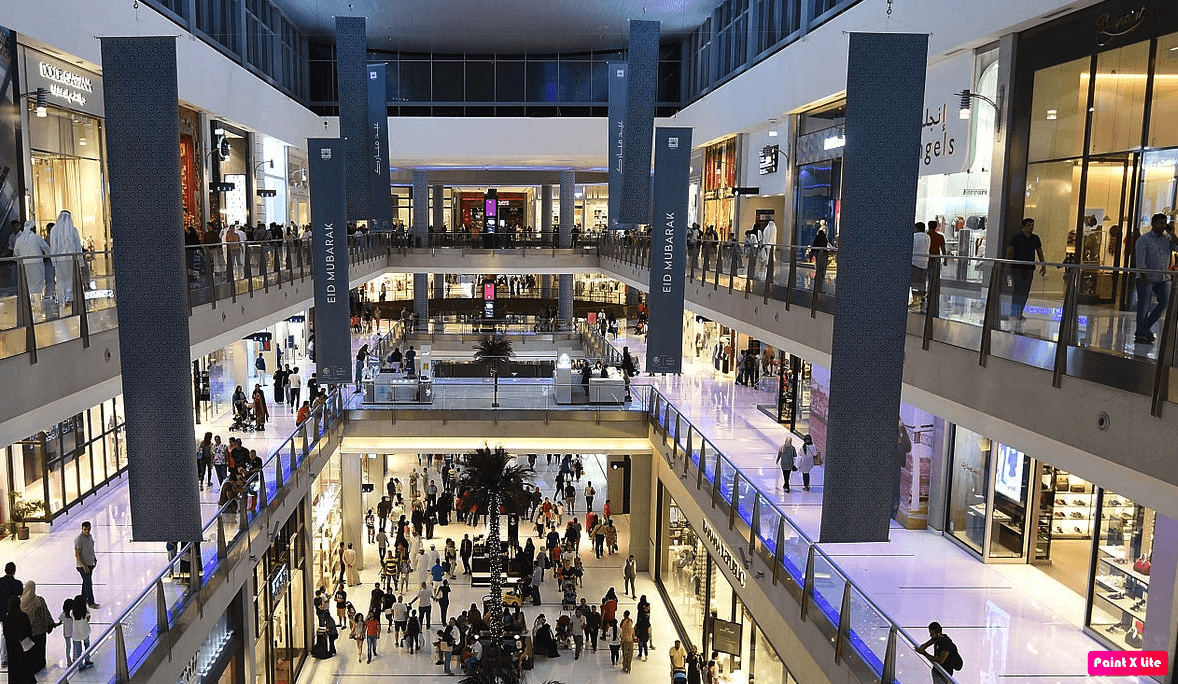
A thriving shopping mall is distinguished by a blend of elements that establish an enticing and dynamic retail atmosphere, allure customers, and enhance profitability. The factors influencing the success of a shopping mall can vary based on location, market conditions, and the specific objectives of the mall. However, there are several fundamental elements typically associated with a prosperous shopping mall:
1. Location
The selection of a highly visible, easily accessible, and conveniently located site in close proximity to residential areas, offices, and transportation hubs is of utmost importance. The strategic placement of a business in a convenient and easily accessible location can have a substantial impact on the volume of foot traffic it receives.
2. Tenant Mix
It is crucial to have a thoughtfully curated tenant mix that encompasses a diverse range of retailers, dining establishments, entertainment venues, and service providers. The inclusion of diverse tenant types and brands contributes to the attraction of a wide spectrum of customers.
3. Importance of Anchor Tenants
The presence of robust anchor tenants, such as prominent department stores or well-established retailers, can significantly enhance footfall and act as compelling attractions for the mall. These anchors play a crucial role in establishing the mall's identity.
4. Retailer Diversity
Malls prides itself on providing a diverse selection of retailers, encompassing international, well-known national brands and local businesses, as well as a combination of established and up-and-coming brands. This curated assortment ensures a distinctive shopping experience that caters to a broad spectrum of preferences and financial means.
5. Customer Experience
It is imperative to establish a positive and engaging shopping experience. Various factors, including cleanliness, ambiance, customer service, and amenities such as seating areas, restrooms, and Wi-Fi, collectively contribute to establishing a hospitable and inviting atmosphere.
6. Entertainment and events
Incorporating a diverse range of events, entertainment, and activities within the mall premises can significantly elevate the overall shopping experience and attract a larger number of visitors. The offerings encompass a variety of seasonal promotions, live performances, and events suitable for families, seasonal and off-season.
7. Marketing and Promotion
The implementation of effective marketing and advertising campaigns plays a crucial role in increasing brand awareness, acquiring new customers, and fostering customer loyalty. Social media, email marketing, and loyalty programs are considered to be highly valuable tools in the realm of marketing and customer engagement.
8. Technology Integration
The incorporation of technology to elevate the shopping experience, including the implementation of mobile applications for efficient navigation, provision of online shopping alternatives, and adoption of contactless payment methods, can effectively captivate contemporary consumers.
9. Safety and security
Is of paramount concerns for shoppers during their visit to the mall. The implementation of security measures and emergency response protocols is of utmost importance in establishing and fostering trust.
10. Sustainability
The incorporation of sustainable practices, such as eco-friendly construction, waste management, and energy-efficient systems, has the potential to attract environmentally conscious consumers.
11. Community Engagement
Building a robust relationship with the local community by providing assistance to local initiatives, charitable organizations, and events can cultivate positive sentiment and enhance customer loyalty.
13. Adaptability
Is a crucial skill for achieving long-term success as it enables individuals or organizations to effectively respond to shifting market trends, evolving consumer preferences, and dynamic economic conditions. The key factors to consider are the flexibility in leasing arrangements, adjustments to the tenant mix, and the implementation of facility upgrades.
14. Data Analysis
Utilizing data analytics to gain insights into shopper behaviour, preferences, and trends can be instrumental in customizing offerings and optimizing marketing strategies.
15. Financial Viability
The mall's financial success relies heavily on the effective management of operational costs, lease agreements, and revenue generation.
In essence, a thriving shopping mall is a versatile and responsive environment that consistently adapts to cater to the demands and preferences of its intended audience. The establishment offers a remarkable and pleasurable shopping experience, promoting a feeling of camaraderie and contentment among its customers and tenants.
Copyright © 2026 KAPSTONE ALL RIGHTS RESERVED.