
Are mall foodcourts becoming obsolete?
·
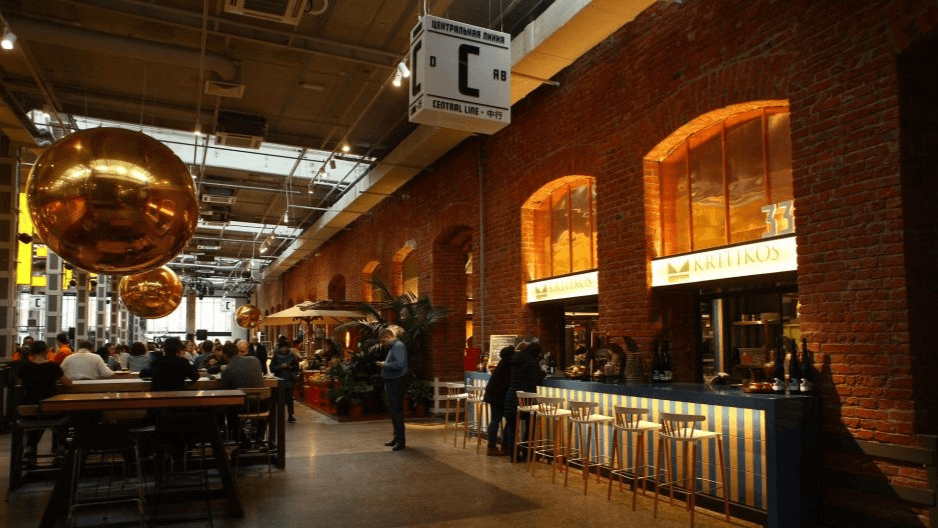
For decades, the mall food court stood as a symbol of convenience, fast, functional, and formulaic. Typically anchored by global quick-service brands, it offered predictability but little inspiration. Today, that model is rapidly fading. A new culinary force, the immersive food hall, is displacing the traditional food court. These experiential destinations are redefining how food operates within the retail and mixed-use ecosystem, transforming meals into moments and transactions into experiences.
This shift is not incidental; it’s strategic. Consumers are increasingly driven by experience, not just consumption. They are more discerning, more socially connected, and more inclined to associate their dining choices with their identity and lifestyle. Traditional food courts, with their homogenised offerings and generic design, are no longer fit for purpose. They lack differentiation, emotional resonance, and cultural depth. In contrast, immersive food halls offer curated environments that deliver authenticity, discovery, and a sense of place.
The reasons behind the decline of traditional food courts are both structural and behavioural. First, there’s the issue of sameness. Most food courts mirror each other, featuring the same franchises and leaving little room for local flavours or innovation. Second, as large anchor tenants in malls lose their pull, the incidental footfall that once buoyed food courts has dwindled. Third, consumer priorities have evolved. Health, ethics, storytelling, and design now influence purchasing decisions far more than speed or price alone. Lastly, food courts are engineered for quick turnover, while modern consumers are seeking destinations where they can linger, interact, and engage, qualities more aligned with a food hall’s design and intent.
Immersive food halls stand apart not simply because of what they serve, but how they serve it. They are defined by their curated culinary concepts, often showcasing local chefs, boutique brands, and rotating kitchens that invite exploration. These venues are design-led, with intentional aesthetics that integrate natural materials, ambient lighting, and thoughtful seating arrangements to foster social interaction. Many also offer live programming, such as chef residencies, music, and cultural activations, transforming food consumption into a dynamic experience. The operational models behind these halls are often flexible and founder-friendly, supporting incubator-style growth and dynamic vendor rotation, which keeps the offer fresh and responsive.
From a developer’s perspective, the business case for food halls is compelling. They draw higher-quality footfall, discerning, influential, and socially engaged audiences who contribute to placemaking and brand perception. Food halls can be used to reactivate underperforming zones in a retail development or serve as anchors within newly launched lifestyle precincts. Importantly, they increase average dwell time and encourage cross-spending across adjacent retail, entertainment, and wellness zones. Beyond immediate revenue, they elevate the cultural capital and desirability of the asset as a whole.
Globally, the trend is accelerating. In New York, Smorgasburg has become a cultural institution. In Lisbon, Time Out Market draws tourists and locals alike as a landmark culinary destination. London’s Mercato Metropolitano merges sustainability with street food in a community-focused setting. Here in the UAE, venues like TimeOut at Souk Al Bahar, The Market Island at Festival City Mall or Depachika at Nakheel Mall are proof that the region is embracing this shift. The GCC, with its affinity for premium experiences and high-footfall destinations, is poised to lead this evolution. It has the appetite, the talent pool, and the investment mindset to support the proliferation of next-generation food experiences.
The message is clear: food halls are not simply replacements for food courts; they are expressions of cultural capital, community energy, and commercial foresight. The future belongs to those who can create not just places to eat but places to belong. In the modern mall, food is no longer just fuel—it’s the main event.
Copyright © 2026 KAPSTONE ALL RIGHTS RESERVED.